Đọc khoảng 4 phút
Moisture from the ground, water seeping in from outside, or poor ventilation.
Warning signs
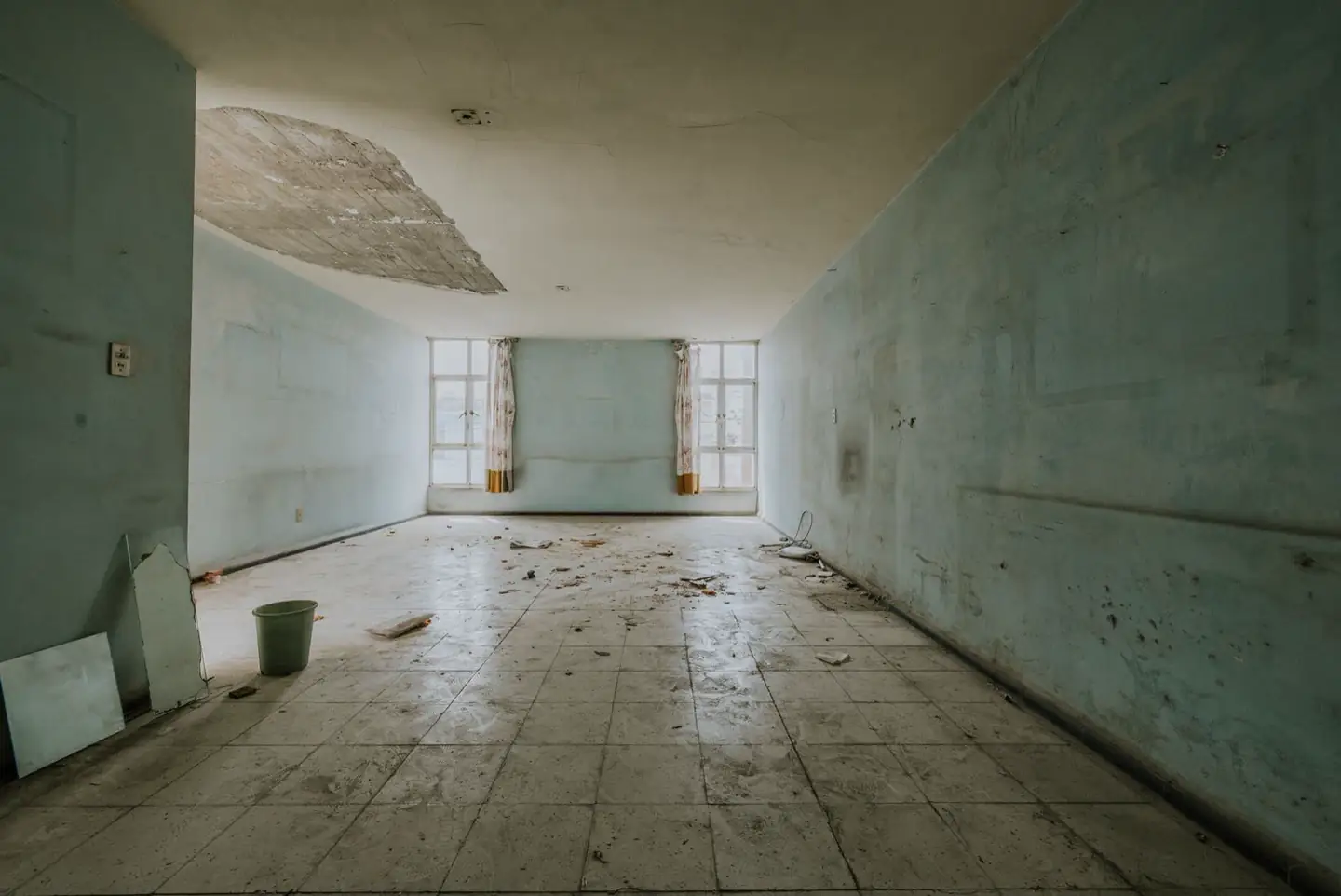
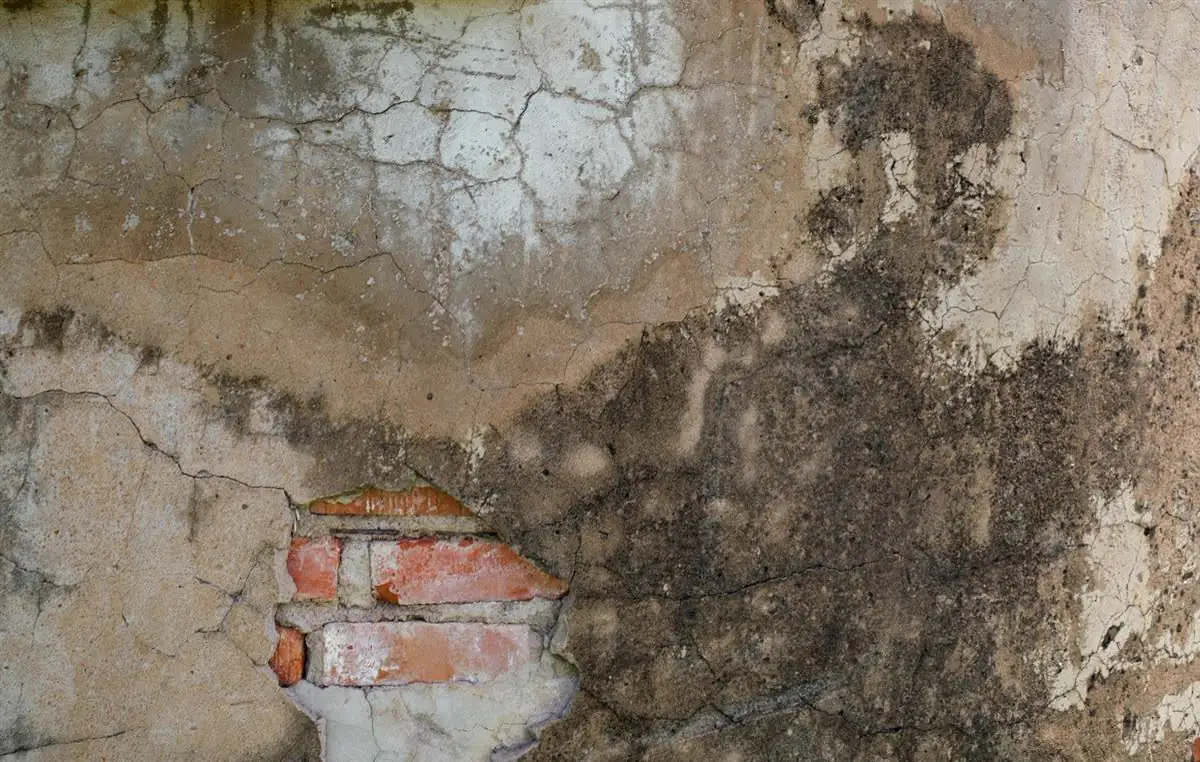
- Black, green or gray mold on walls and ceiling corners.
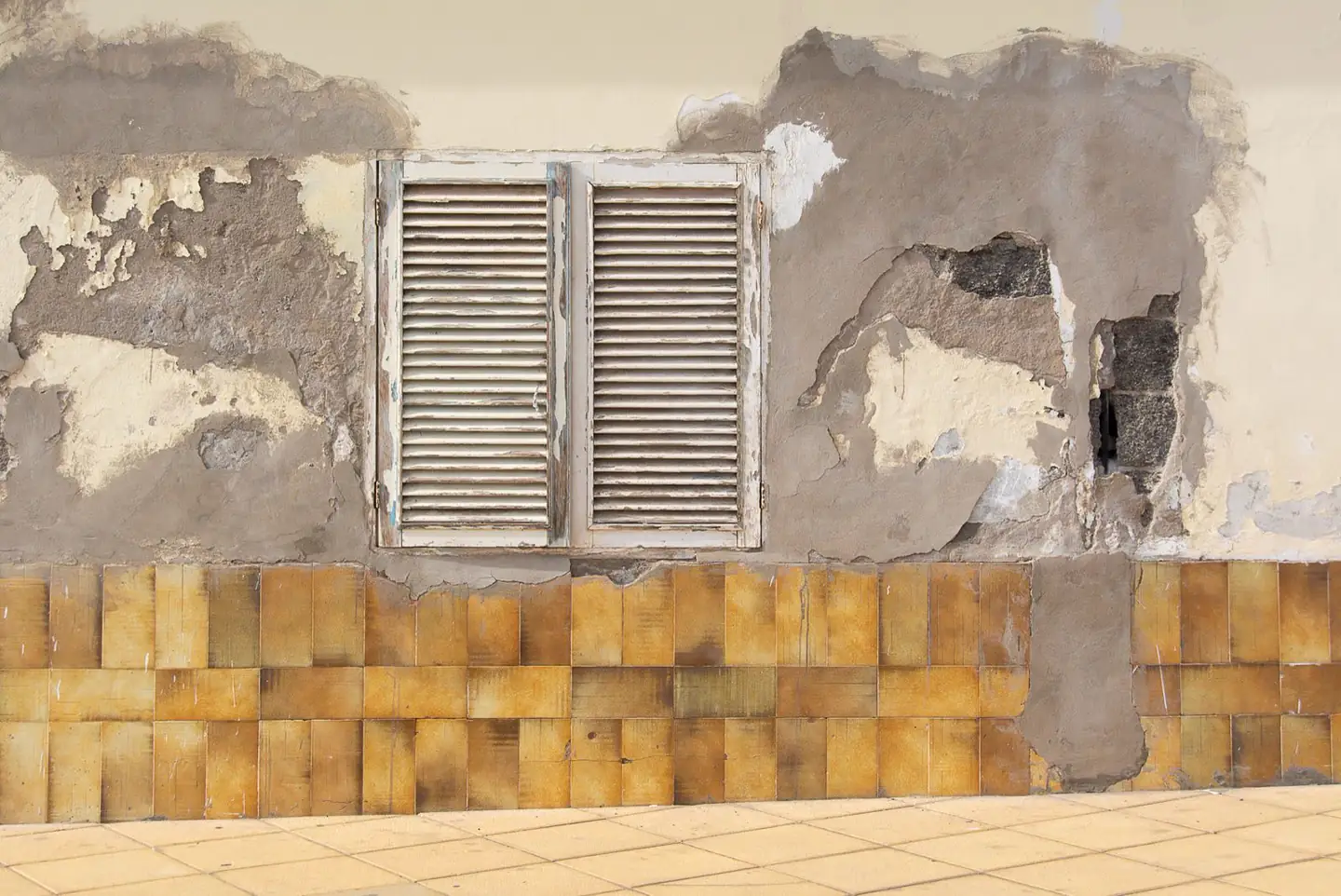
- Damp wall bases with white efflorescence on the plaster.
- Paint and wallpaper bubble and peel even after repainting.
- Damp and mold smell, especially in the humid spring season.
Consequences if left untreated
- Affects breathing and causes allergies, especially in young children.
- Paint and skim coat peel, requiring repeated rework.
- Furniture against walls develops mold.
Causes thường gặp
- Capillary moisture from the substrate. Nước trong đất dâng lên chân tường, mang theo muối.
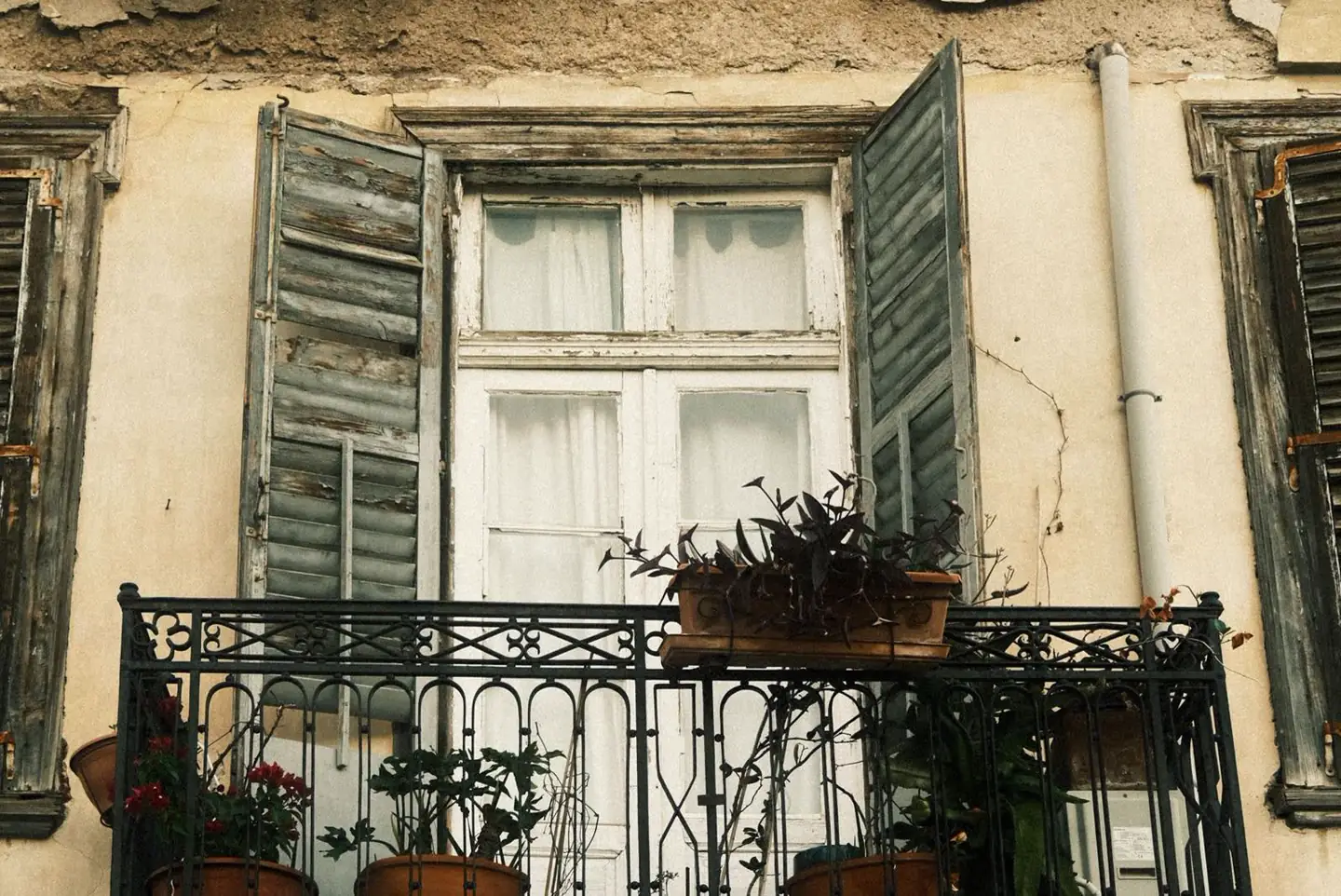
- Water seeps in from outside or from pipes. Mưa thấm qua tường, ống âm tường rò rỉ.
- Condensation and poor ventilation. Phòng kín, bề mặt lạnh, độ ẩm cao.
- Finishing material absorbs moisture. Bột bả, sơn kém chất lượng giữ nước.
Cách xử lý
- Identify the moisture source. Ẩm chân tường thường do mao dẫn, ẩm cả mảng thường do thấm hoặc rò ống.
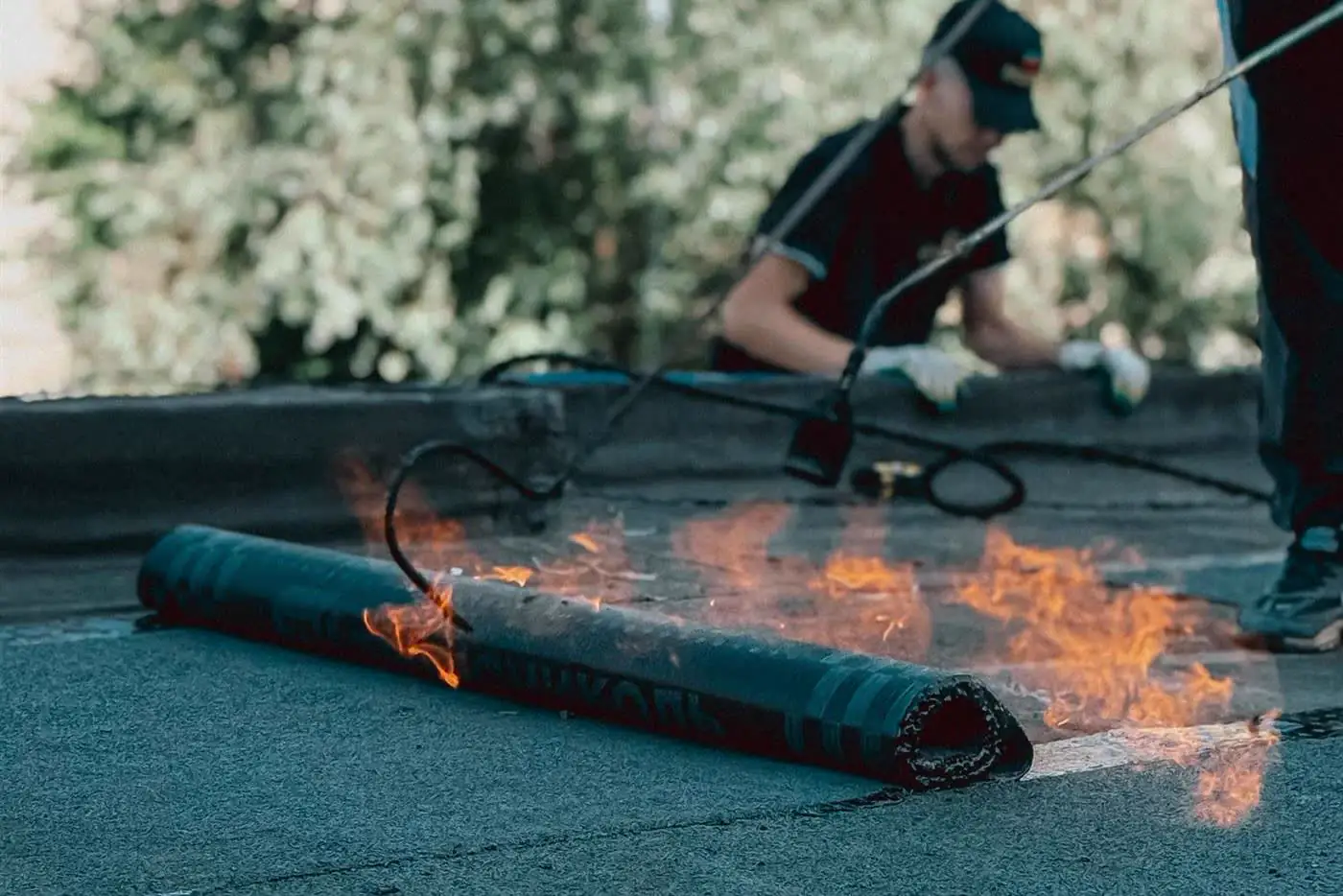
- Block the moisture source. Chống thấm phía tiếp xúc nước, sửa ống rò, cải thiện thoát nước quanh chân công trình.
- Treat moisture-affected finishes. Cạo sơn, bột bả, lớp trát nhiễm muối, xử lý mốc, để tường khô.
- Wall surface waterproofing. Quét chống thấm xi măng polyme, trát lại vữa có phụ gia nếu cần.
- Finishing and improved ventilation. Sơn lót kháng kiềm, sơn phủ kháng mốc, tăng thông gió.
Prevention
- Waterproof wall bases and floors during construction.
- Ensure ventilation in enclosed spaces.
- Do not paint over damp walls.
Suitable products
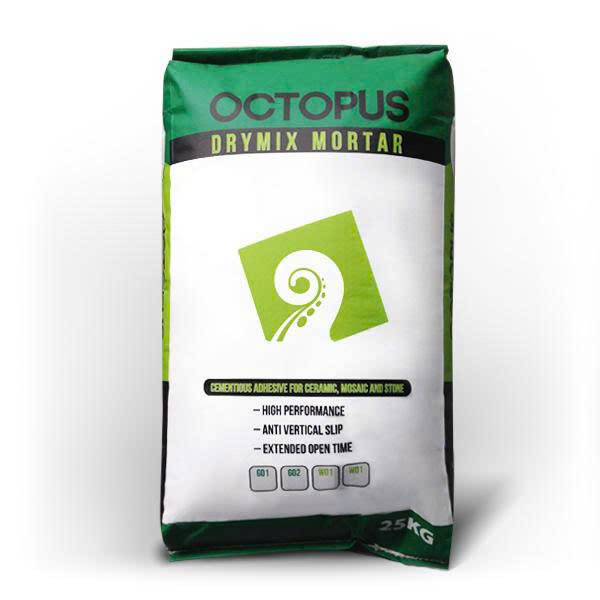
OCTOPUS E868
Details