Đọc khoảng 5 phút
Shrinkage, poor curing, overloading or thin rebar cover.
Warning signs
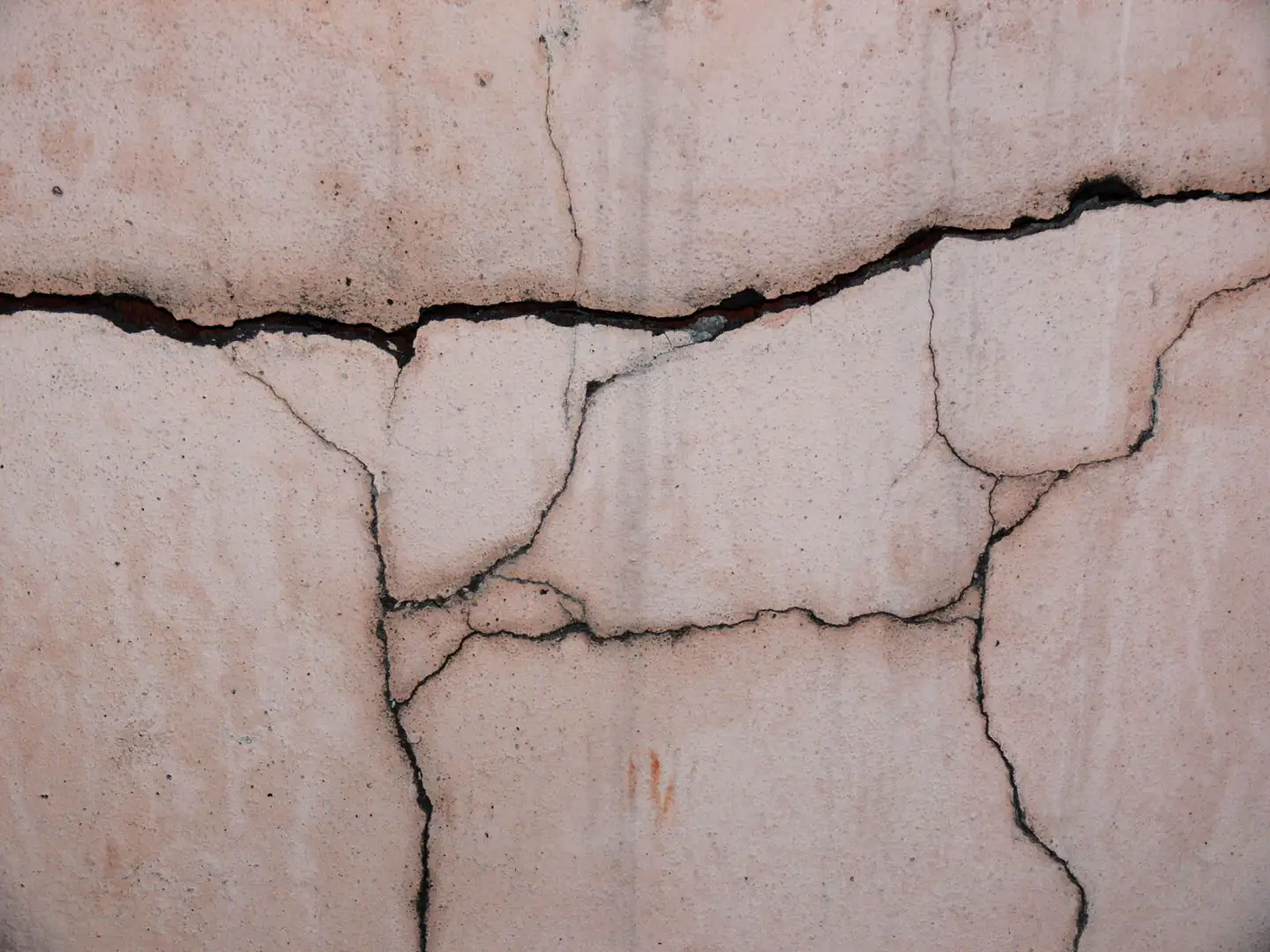
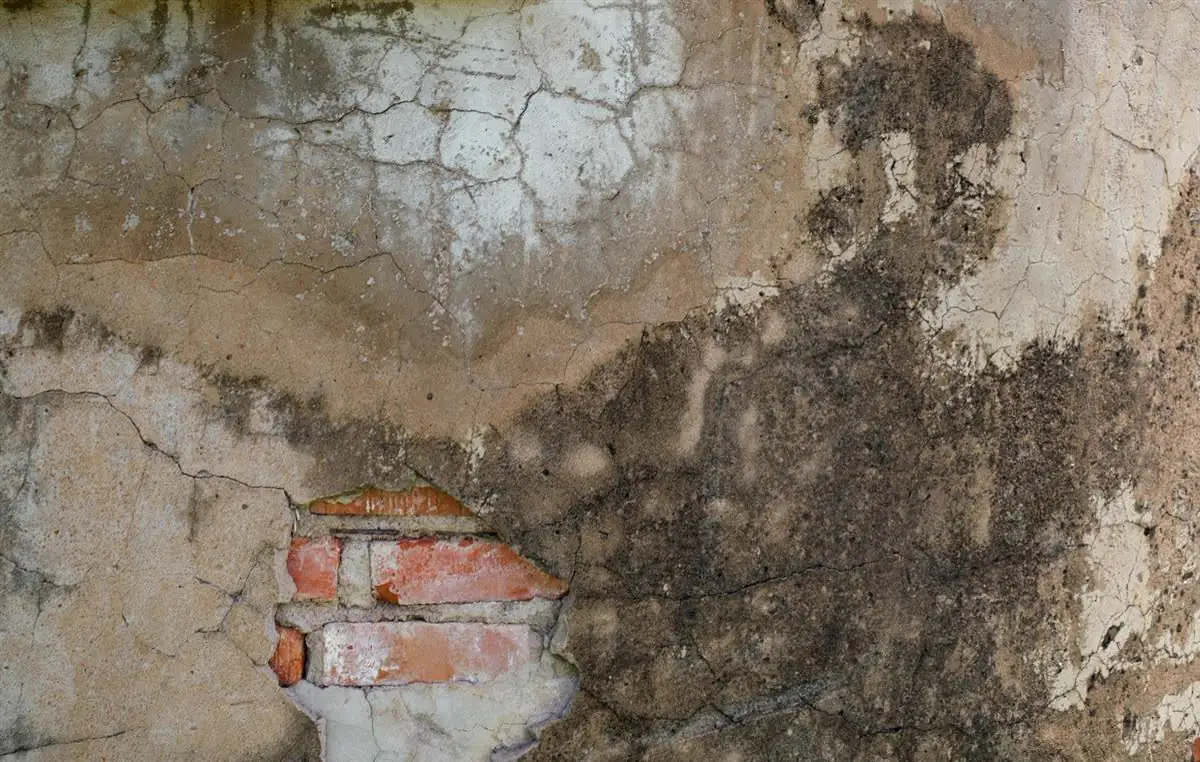
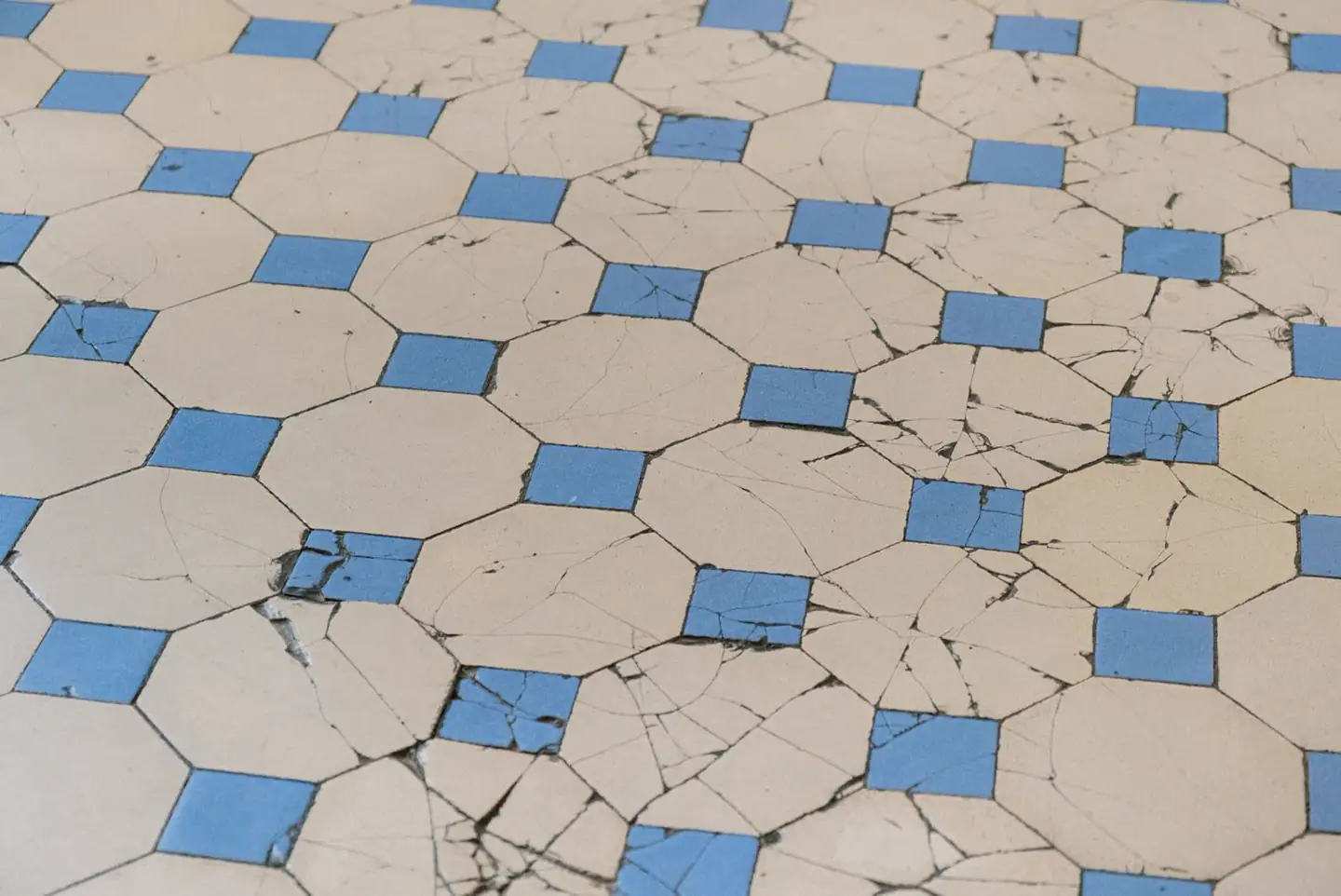
- Long cracks on the slab surface, in grid patterns or along the rebar.
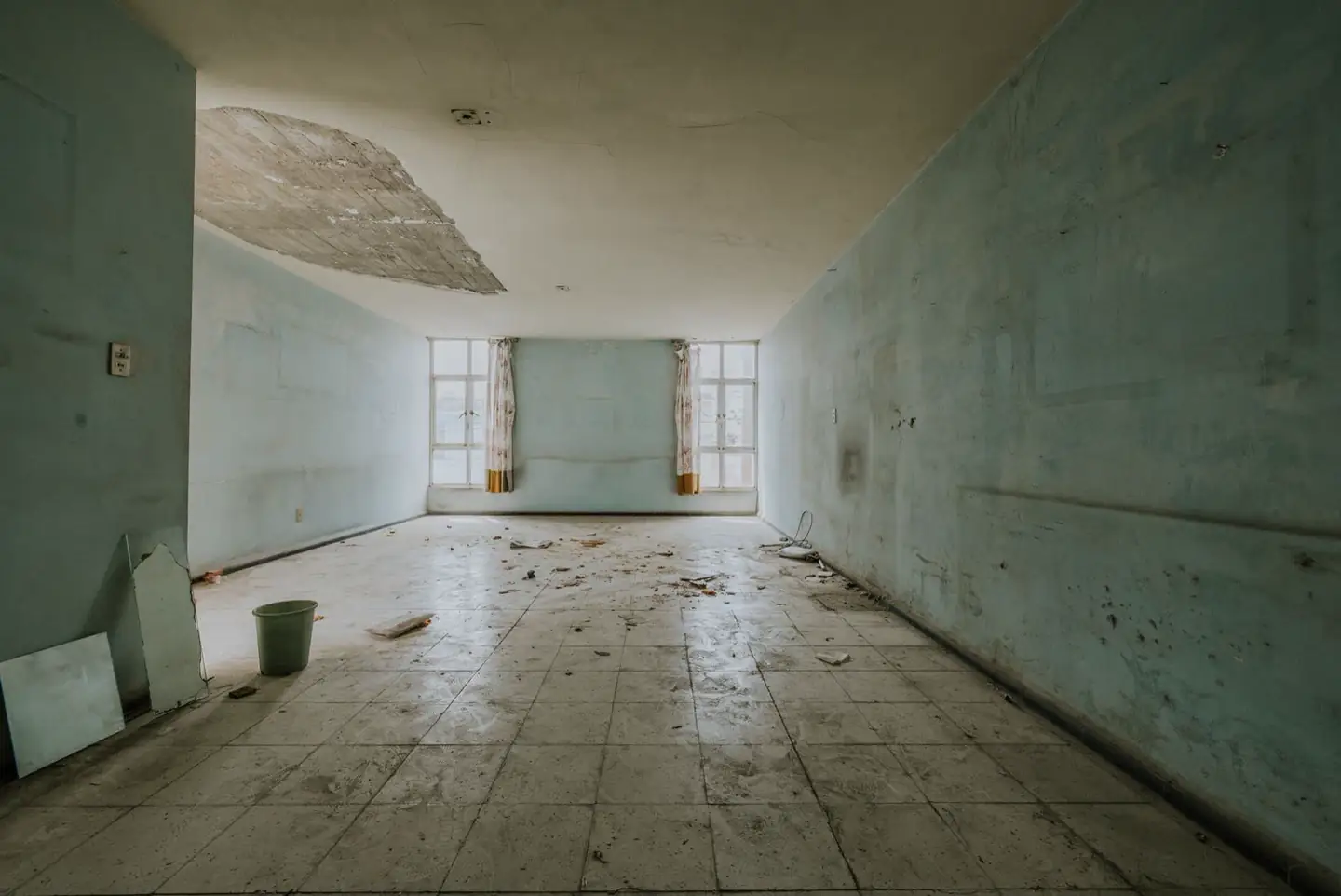
- Slab underside damp, with pooling or weeping water at cracks.
- Brown rust streaks, spalling concrete cover.
- Cracks after heavy loading or a few days after concrete pouring.
Consequences if left untreated
- Aggressive water corrodes rebar and reduces load capacity.
- Leaks to the floor below.
- Floors deteriorate quickly if ignored.
Causes thường gặp
- Early concrete shrinkage. Mất nước nhanh do nắng gió, dưỡng hộ thiếu.
- Improper water-cement ratio. Nhiều nước làm bê tông rỗ, co ngót lớn.
- Uneven loads and substrate. Quá tải, lún nền, thiếu khe co giãn.
- Thin rebar cover. Cốt thép gỉ, nở thể tích, làm nứt dọc thanh thép.
Cách xử lý
- Assess cracks. Đo bề rộng, chiều dài, theo dõi có phát triển không. Nứt lớn cần kỹ sư đánh giá trước.
- Prepare the surface. Mở rộng chữ V, vệ sinh, loại bê tông yếu, xử lý cốt thép gỉ nếu lộ.
- Fill with a suitable material. Nứt nhỏ dùng hồ latex SBR, chỗ cần rót lấp đầy dùng vữa không co ngót OCTOPUS GROUT.
- Surface waterproofing. Phủ màng xi măng polyme đàn hồi, bắc cầu vết nứt nhỏ.
- Curing and monitoring. Dưỡng ẩm đủ thời gian, theo dõi vết nứt sau xử lý.
Prevention
- Cure concrete with sufficient moisture and for sufficient time.
- Control the water ratio, provide adequate rebar cover.
- Provide expansion joints and saw-cut joints for large floors.
Suitable products
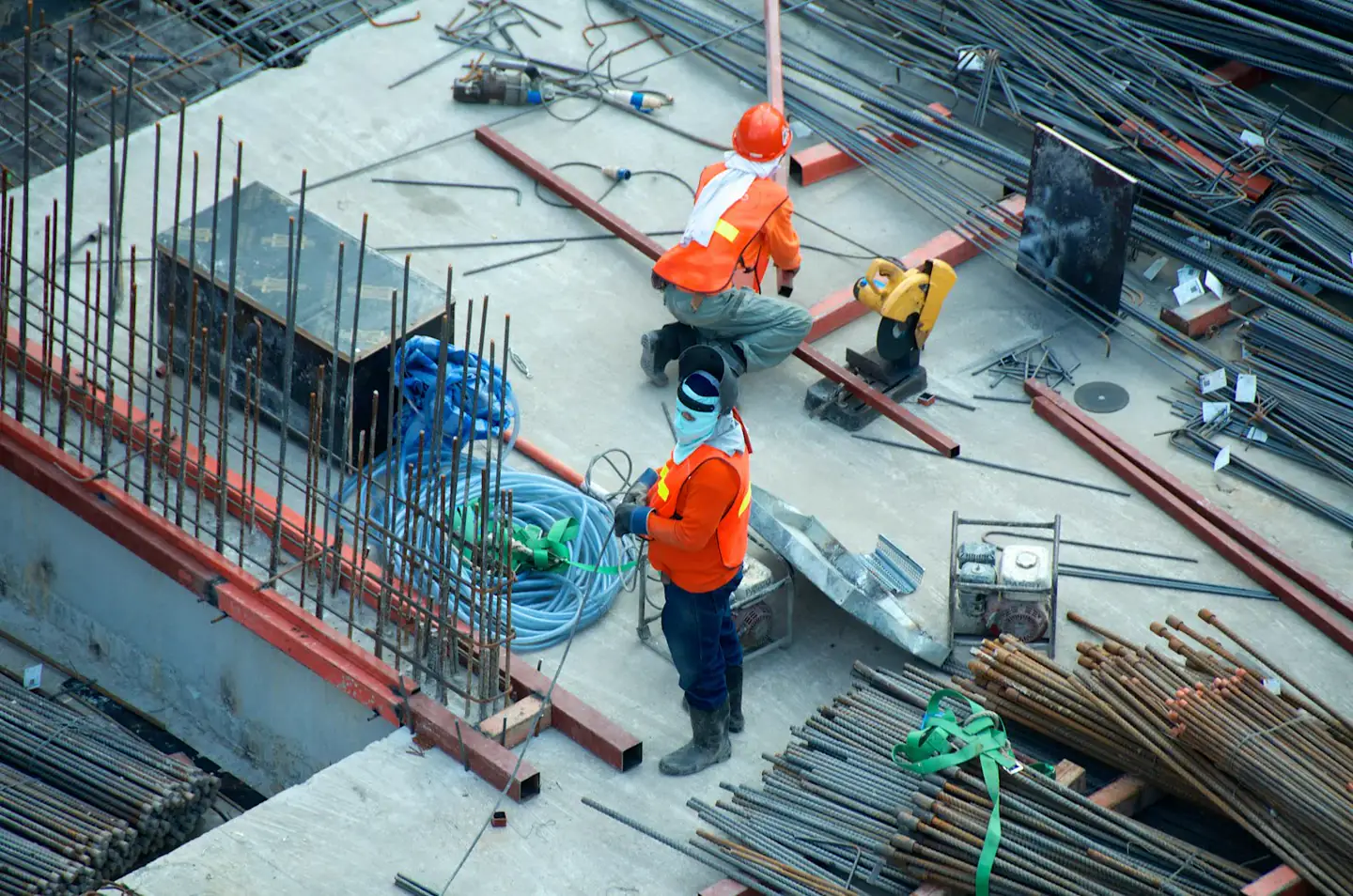
OCTOPUS GROUT M60 / M80
Details
OCTOPUS E868
Details