Đọc khoảng 5 phút
Tile adhesive with poor bonding, damp substrate or missing expansion joints.
Warning signs
- Tapping the tile gives a hollow sound.
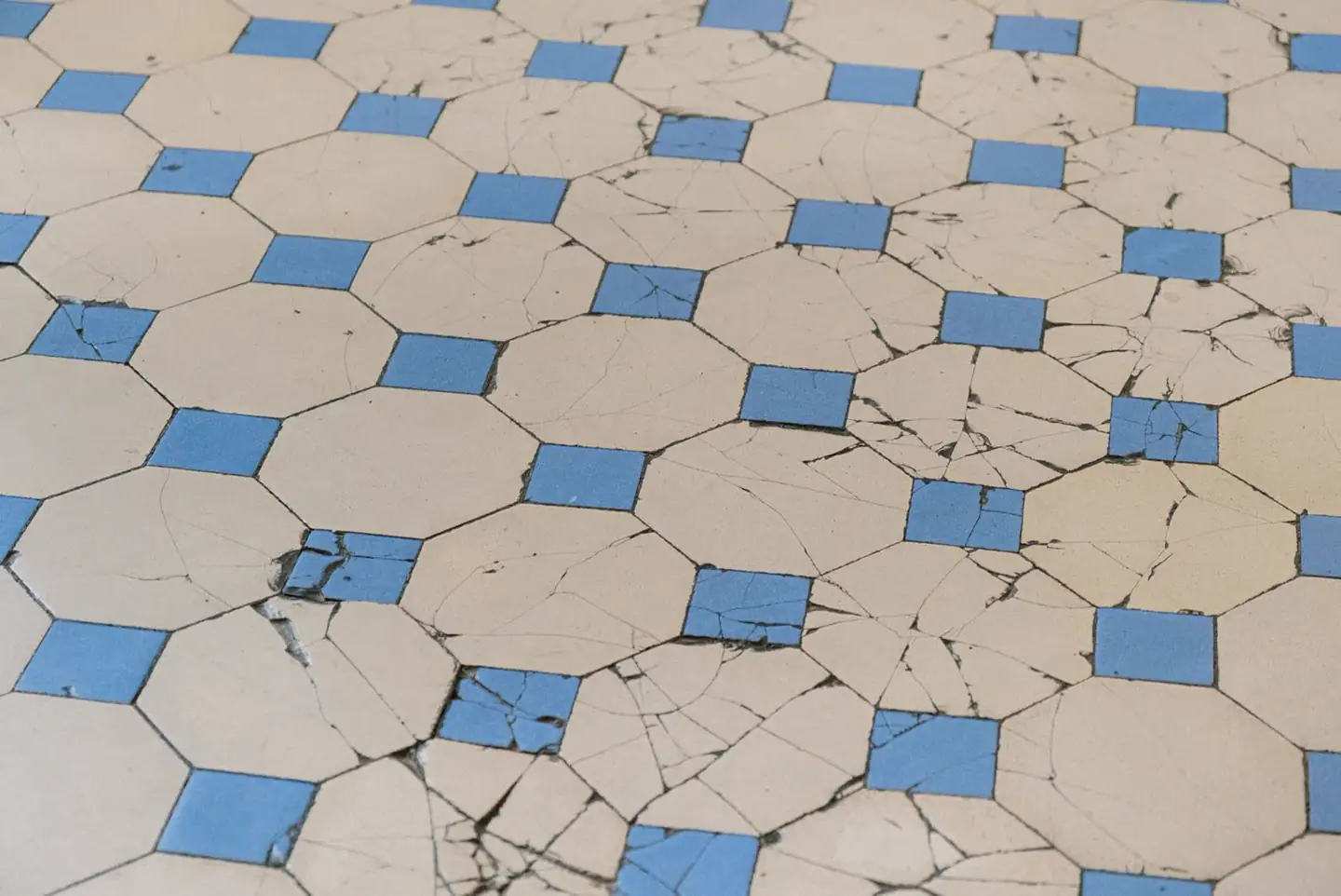
- Tile edges lift and tiles debond in patches.
- Cracked or loose grout joints let water seep below.
- Large areas of bulging tile on balconies, rooftops and sun-exposed spots.
Consequences if left untreated
- Tiles debond and fall, creating a safety hazard, especially on high wall cladding.
- Water penetrates the substrate through gaps.
- Costly tile removal and re-laying.
Causes thường gặp
- Unsuitable bonding material. Vữa xi măng cát dán gạch khổ lớn, gạch porcelain hút nước thấp.
- Substrate not up to standard. Nền bụi, quá ẩm, không phẳng hoặc chưa đủ tuổi.
- Incorrect installation procedure. Keo se mặt, phủ không kín lưng gạch, không phủ hai mặt gạch lớn.
- Missing expansion joints. Nhiệt độ đổi, ứng suất dồn làm gạch phồng, bong.
Cách xử lý
- Determine scope and cause. Gõ kiểm tra. Bong diện rộng thì tháo làm lại toàn khu vực.
- Remove tiles, treat substrate. Cạo sạch keo, vữa cũ, làm phẳng, vệ sinh bụi.
- Choose a suitable adhesive. Gạch khổ lớn, porcelain, ngoại thất dùng keo C2TE-S1 như OCTOPUS TILEBOND.
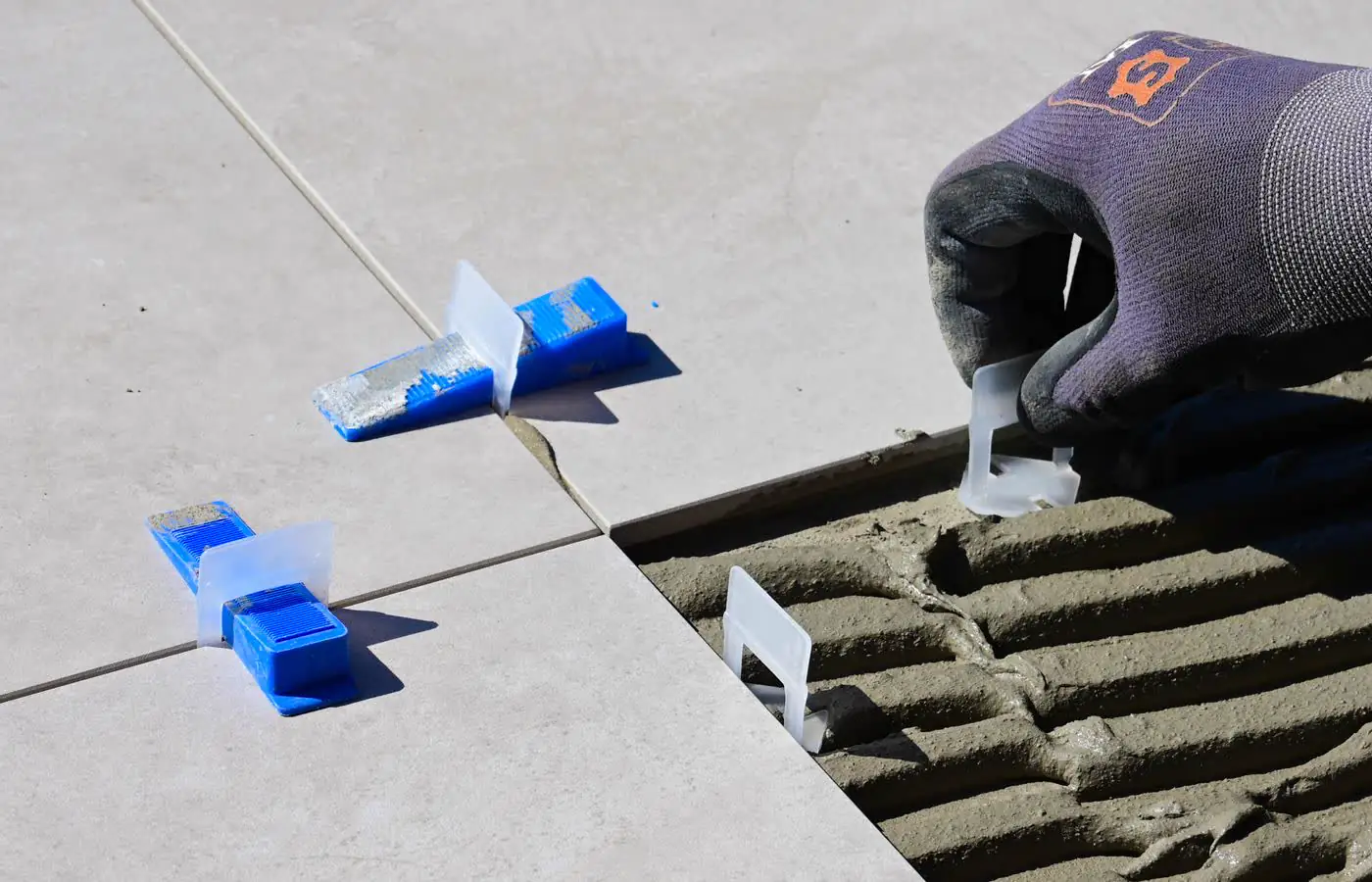
- Proper tile installation. Bay răng cưa phù hợp, phủ keo hai mặt với gạch lớn, ép kín lưng gạch.
- Grout joints, expansion gaps and grouting. Ron đồng đều, chừa khe co giãn theo mảng lớn, chà ron sau khi keo khô.
Prevention
- Choose adhesive by tile type, size and location.
- Do not use sand-cement mortar for large-format tiles.
- Leave expansion gaps, do not grout them shut.