Đọc khoảng 3 phút
Ordinary cement grout absorbs water, lacks antibacterial properties or was applied incorrectly.
Warning signs
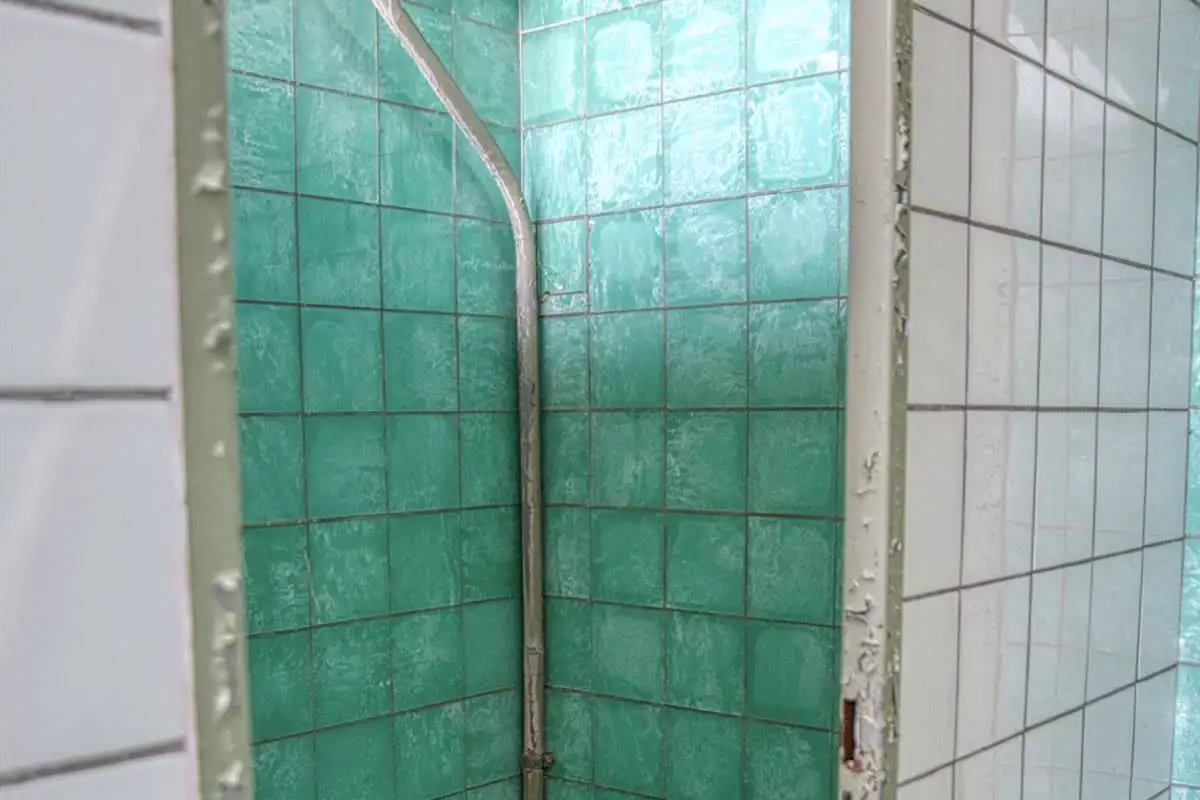
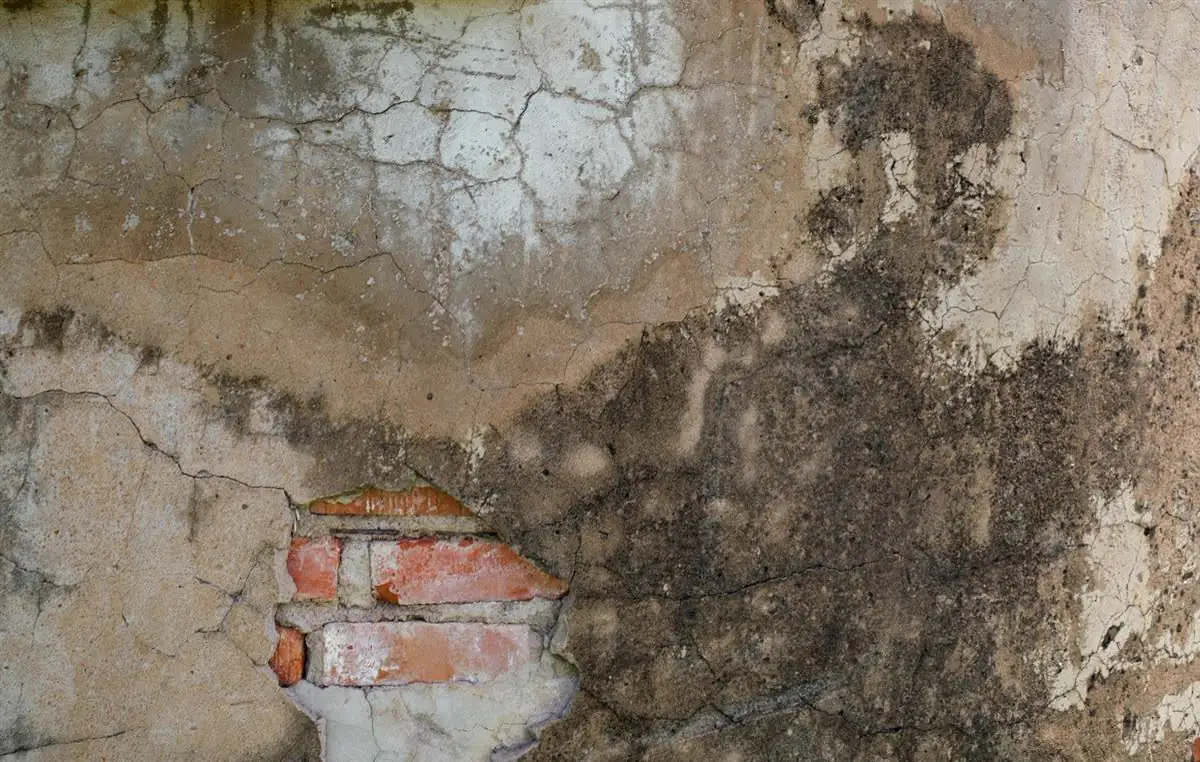
- Grout turns yellow, black or green from dirt and moss and mold.
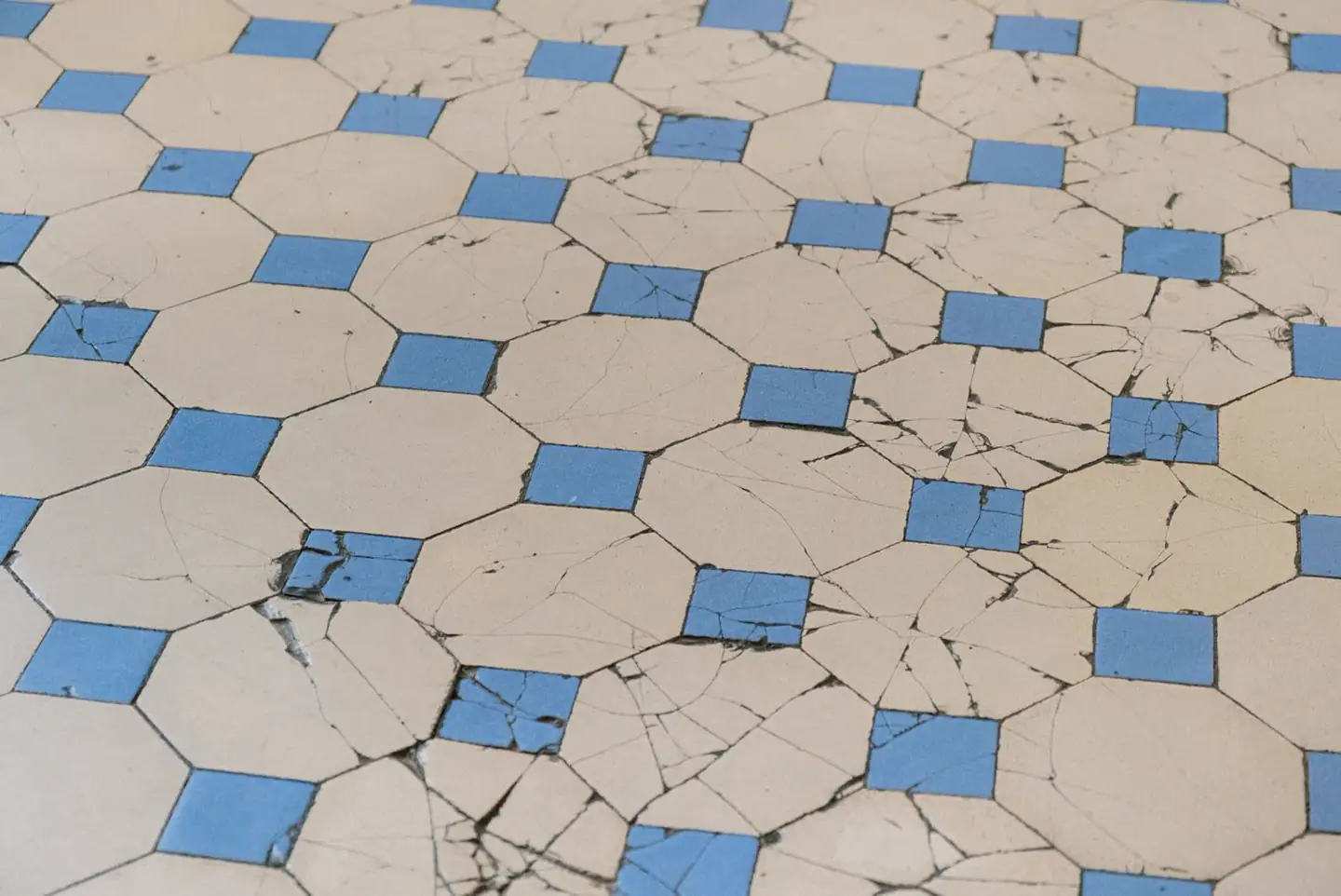
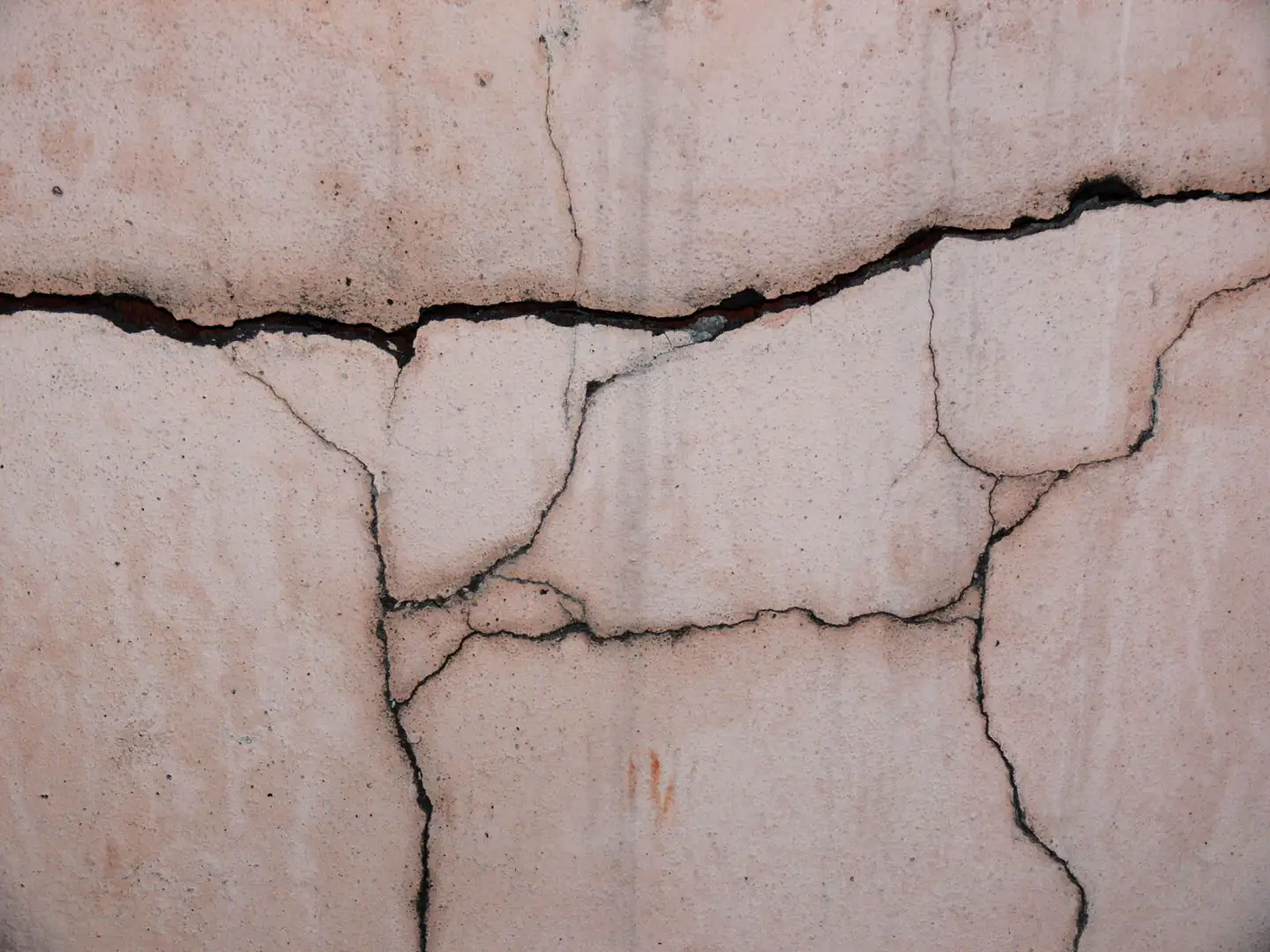
- Grout joints cracked, crumbling and peeling out of tile gaps.
- Water stays in the grout joints, and tiles around them show damp marks.
- Grout joints deeply recessed below the tile surface.
Consequences if left untreated
- Water soaks into the substrate and debonds tiles.
- Poor appearance, hard to clean, mold.
- Grout joints must be scraped and regrouted repeatedly.
Causes thường gặp
- Ordinary cement grout absorbs water. Lỗ rỗng hút nước, bụi bẩn, dễ nhuốm màu và mốc.
- No antibacterial or antifungal protection. Khu ẩm như nhà vệ sinh, bếp làm nấm mốc phát triển.
- Improper grouting. Nhiều nước, khe chưa sạch, không lèn đầy khe.
- Substrate movement and expansion. Ron cứng không theo kịp chuyển vị, dễ nứt.
Cách xử lý
- Assess grout joint condition. Ron chỉ ố bề mặt hay đã nứt, bở sâu. Ron nứt sâu cần cạo và chà lại.
- Remove old grout. Cạo đủ sâu để keo mới bám chắc, không sứt mép gạch.
- Clean grout joints. Hút bụi, rửa sạch, để khô hẳn.
- Grout joints with a suitable grout. OCTOPUS TILE GROUT NANO (EN 13888 CG2WA) cho khe 1 đến 6 mm, trộn đúng tỷ lệ nước, lèn đầy khe.
- Clean tile surface, cure grout joints. Lau gạch khi ron còn ướt, tránh đi lại và tiếp xúc nước trong thời gian dưỡng.
Prevention
- Choose water-resistant, mold-resistant grout for wet areas.
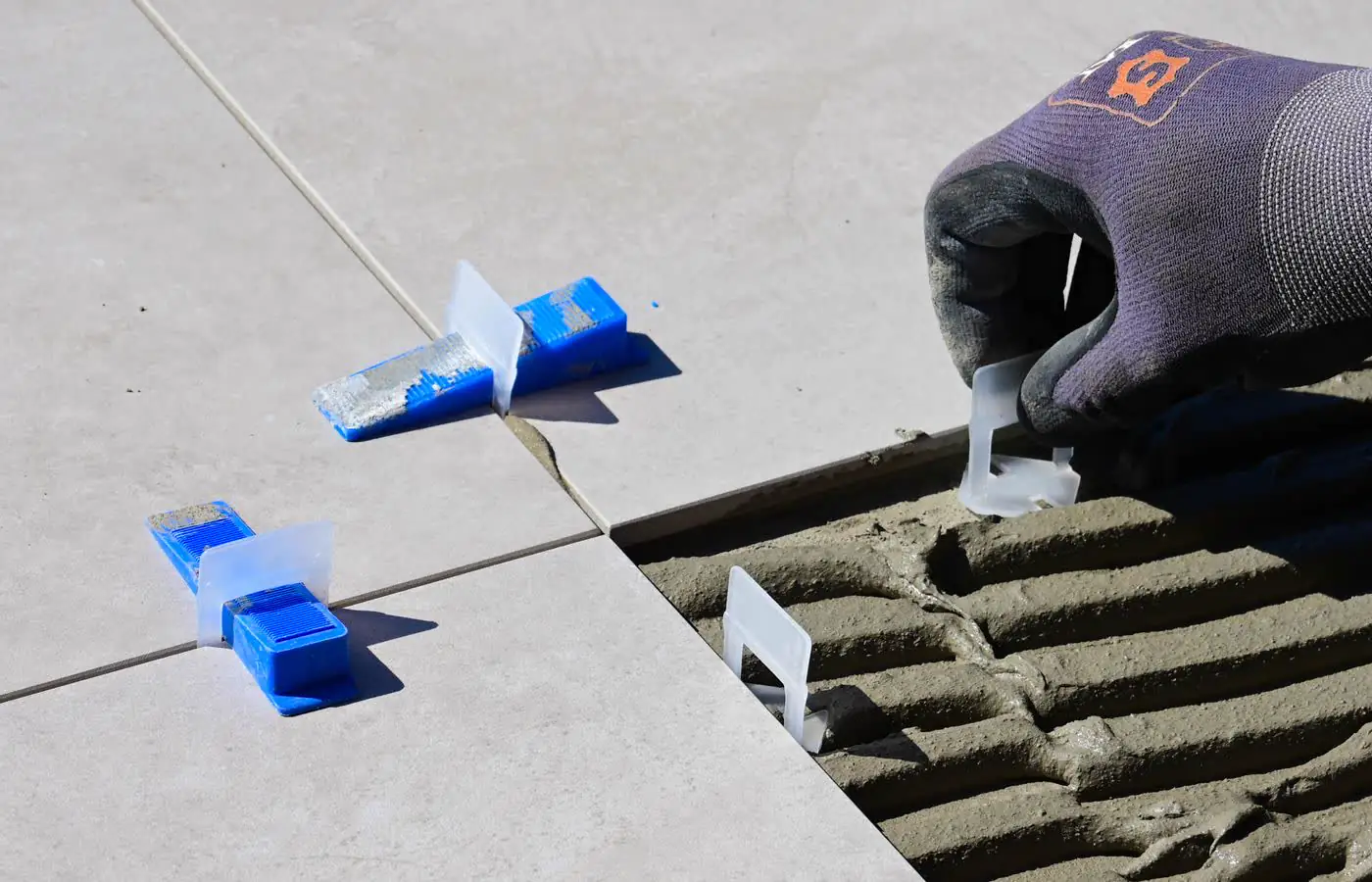
- Grout with the correct water ratio and fill joints completely.
- Clean grout joints regularly, avoid harsh cleaning chemicals.